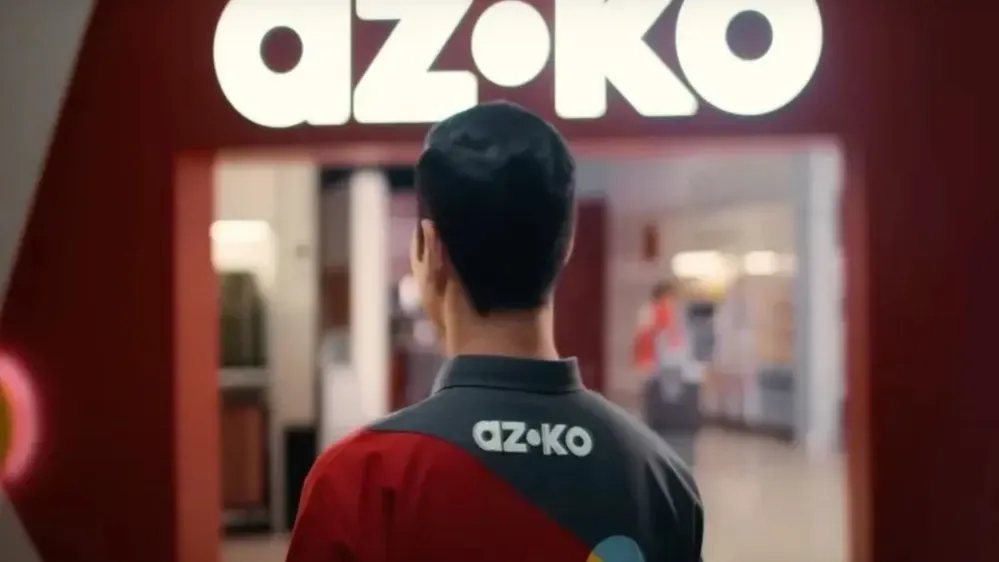
In a surprising yet strategic shift, PT Aspirasi Hidup Indonesia Tbk, formerly known as Ace Hardware Indonesia, rebranded its retail chain to AZKO starting January 1, 2025. This transformation signals a significant departure from the long-standing partnership with Ace Hardware International, a collaboration that spanned nearly three decades since 1996. With the licensing agreement expiring on December 31, 2024, the company opted not to renew its ties, choosing instead to carve out a unique identity under its own brand.
This decision reflects a growing trend among businesses in Indonesia and other developing markets. One primary driver appears to be the diminishing value perceived in maintaining affiliations with multinational brands, especially when weighed against the high costs of franchise fees. By transitioning to AZKO, PT Aspirasi Hidup Indonesia not only reduces operational expenses but also gains greater flexibility in tailoring its offerings to local consumer preferences. This move is emblematic of a broader shift towards autonomy and the assertion of local brand identity in a globalized economy.
From TruConsulting standpoint, this rebranding aligns with our Brand Experience Assessment Metric (BEAM) framework. A firm’s competitive advantage is derived from its unique Equity and Experience. In the case of AZKO, relinquishing the Ace Hardware brand allows the company confidently to invest in its own branding, operational innovations, and localized strategies, thereby strengthening its market position in Indonesia. Furthermore, the shift also underscores a cost-benefit analysis approach—redirecting funds previously allocated to franchise fees into expansion and customer experience enhancements. Reports indicate that AZKO has earmarked IDR 200 to 250 billion in capital expenditure for these purposes.
The timing of this rebranding also raises intriguing questions about broader geopolitical and societal influences. The recent global attention on the Palestine conflict has sparked boycotts of American brands in several countries, including Indonesia. This sentiment has resonated deeply in a nation where solidarity with Palestine holds significant cultural and political weight. While AZKO’s leadership has not explicitly linked its decision to this movement, the shift away from a U.S.-based franchise cannot be entirely divorced from the socio-political climate. The decision may reflect an awareness of consumer sentiment and a proactive step to align the brand with national values.
This raises the question: should other businesses follow suit? The answer is complex. While detaching from multinational brands offers certain advantages, including cost savings and alignment with local values, it also carries risks. Brand recognition and global support networks are often key assets of franchise models. For companies contemplating a similar move, the decision must weigh these trade-offs carefully.
AZKO’s rebranding journey offers a compelling case study in strategic independence. By embracing local identity and shedding the constraints of a multinational franchise, the company is setting a precedent for others in the region. Whether this signals the beginning of a broader trend or remains a singular instance, AZKO’s bold step is sure to inspire discussion in Indonesia’s business community and beyond.